
China Moneypro
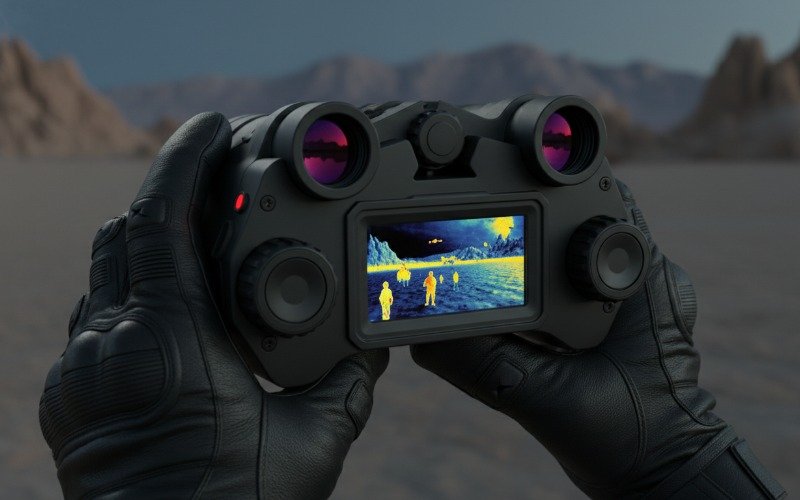
Best Handheld Thermal Binoculars
Thermal binoculars support long-range observation with comfortable viewing. They are widely used for surveillance, perimeter protection, and maritime monitoring. Compared to monoculars, binoculars often improve stability and extended watch comfort.
China Moneypro handheld thermal binoculars provide long-range thermal observation for day/night monitoring. They support wide-area scanning and reliable detection in low visibility, including darkness, haze, and glare. Thermal binoculars are a strong choice for extended watch because they are comfortable to view and easy to operate.
Why Choose Thermal Binoculars?
- Long-range observation: built for distance detection and wide-area scanning.
- Comfortable viewing: suitable for extended watch shifts and continuous monitoring.
- Reliable night vision: thermal imaging works without visible light in darkness.
- Low-visibility performance: helps in haze, smoke, and challenging contrast conditions.
- Wide applications: supports security, patrol, maritime watch, and outdoor operations.
How to Choose the Right Thermal Binoculars
Start with your target distance and field environment. Then compare image clarity, sensitivity, lens options, and refresh rate for smooth tracking. Finally, consider ergonomics and battery runtime for long observation tasks.
Recommended Thermal Binoculars
Browse thermal binocular products below. Open each product page to review key features, use cases, and available configuration options.
-
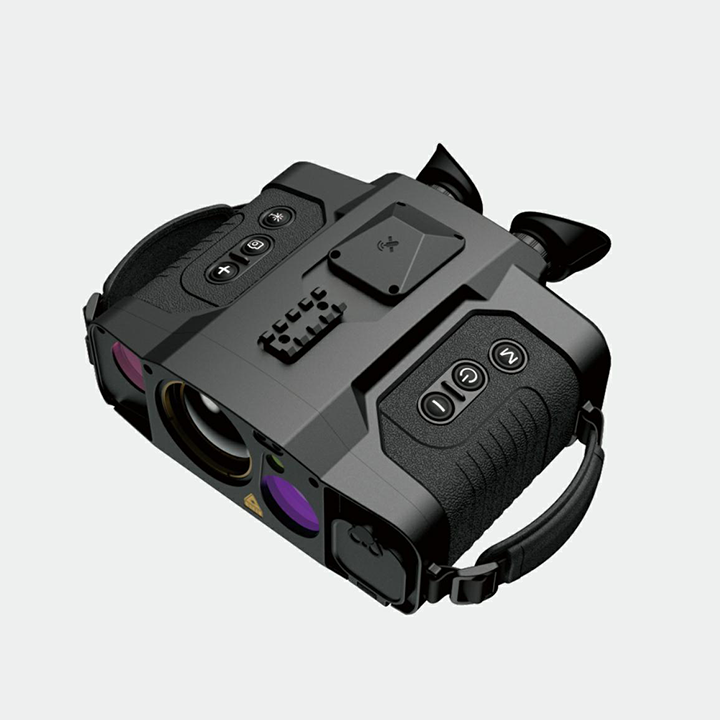
China Moneypro MMY5221 Long-Range Multifunction Thermal Binoculars (Cooled Type)
-
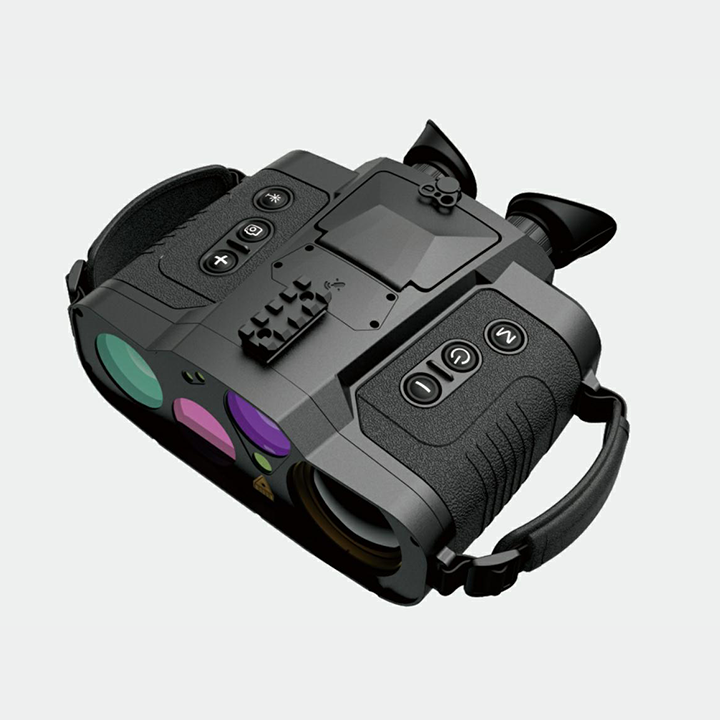
China Moneypro MMY5222 Long-Range Multifunction Thermal Binoculars (Uncooled Type)
-
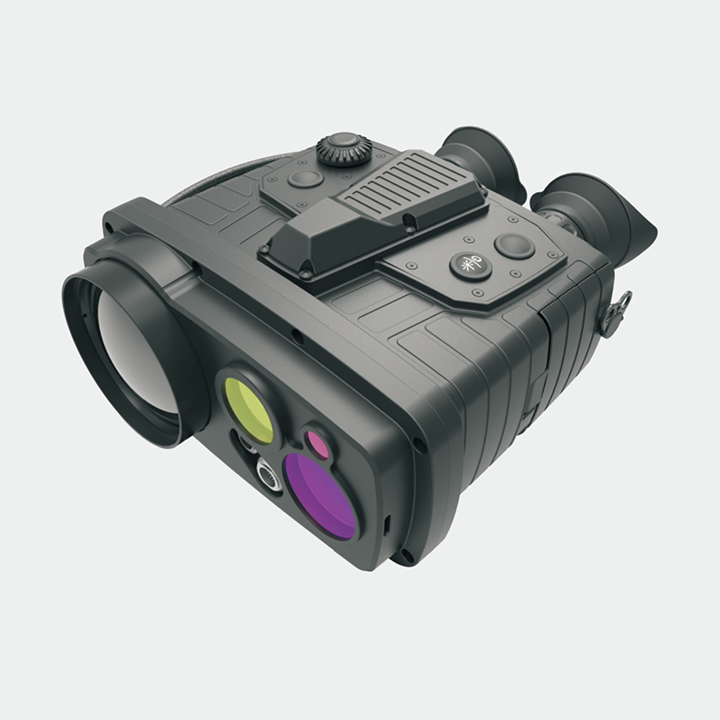
China Moneypro MMY522B Long-Range Multifunction Thermal Binoculars (Uncooled Type)
-
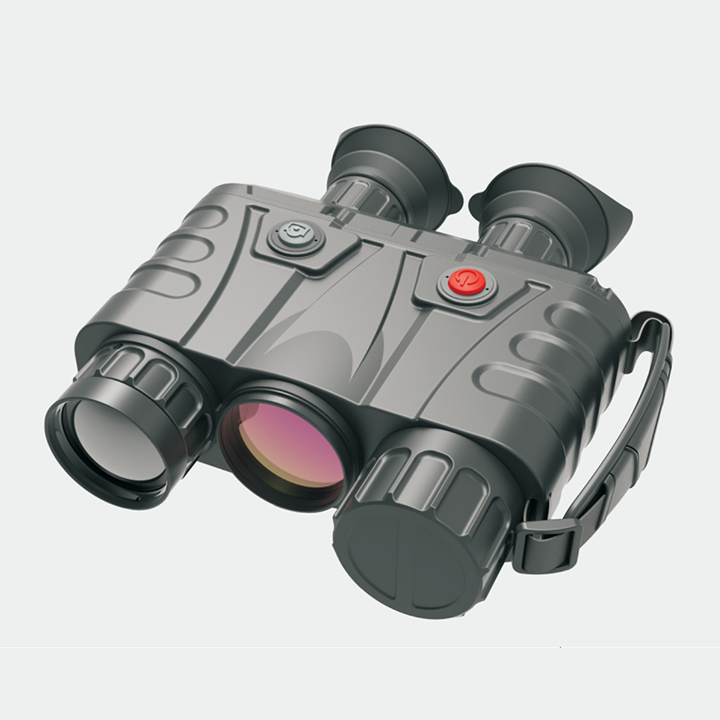
China Moneypro MMY528B Fusion Binocular with Infrared and Low-Lux CMOS
-
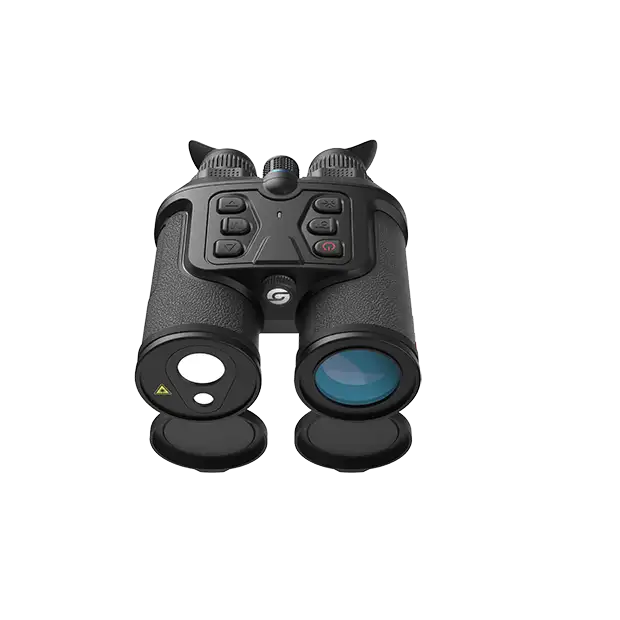
MDN30 Handheld Digital Binoculars
-
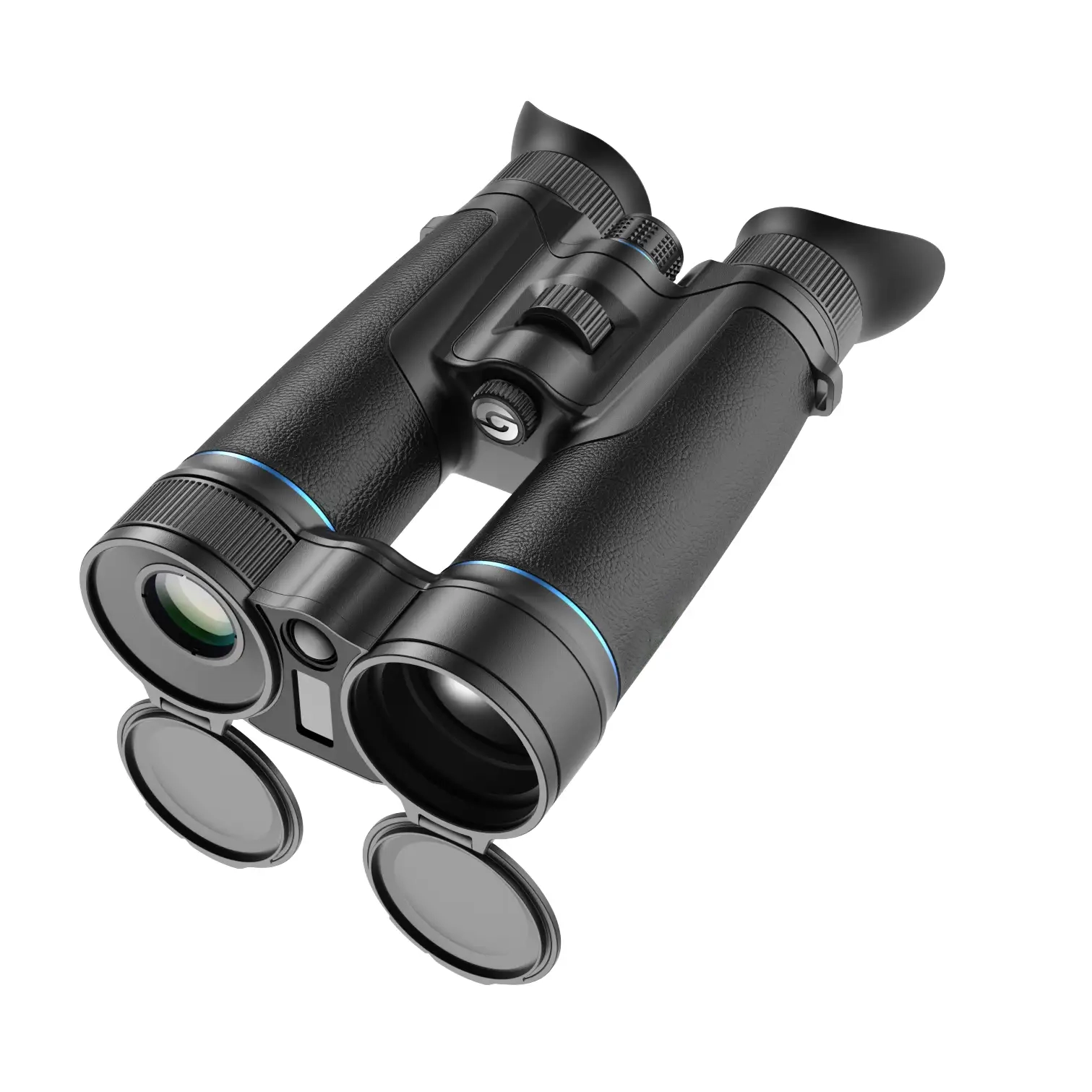
MDN70M 2.0 Handheld Digital Binoculars
-
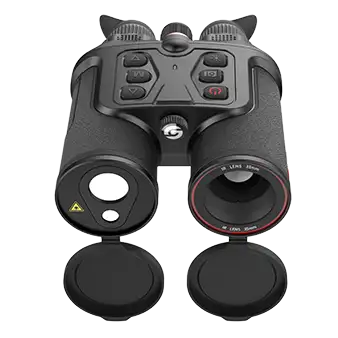
MTN430 Handheld Thermal Binoculars
-
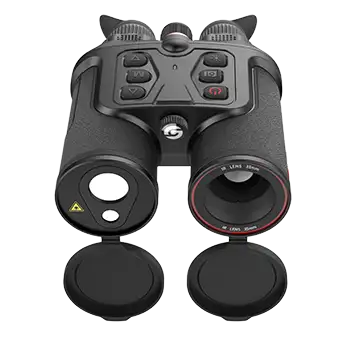
MTN450 Handheld Thermal Binoculars
Common Applications
- Perimeter security and border monitoring
- Maritime watch and coastal observation
- Critical infrastructure protection
- Outdoor surveillance and patrol
- Search and monitoring support
Thermal Binoculars FAQs
What are thermal binoculars?
Thermal binoculars are handheld devices that use infrared imaging to show heat patterns. They help you detect people, animals, and objects based on temperature differences. Because they do not rely on visible light, they work well at night.
Do thermal binoculars work in complete darkness?
Yes. Thermal binoculars detect infrared radiation rather than visible light. As a result, they can be used in complete darkness and many low-visibility situations.
What should I look for when buying thermal binoculars?
Start with image clarity and thermal sensitivity, then compare lens options and detection needs. Also consider refresh rate, ergonomics, and battery runtime for long watch tasks. Finally, check durability for your operating environment.
Can thermal binoculars see through fog, smoke, or rain?
Thermal imaging can help in some low-visibility conditions, but performance depends on the scene and weather severity. Heavy fog or rain can still reduce image quality for any optical system. For procurement, match the configuration to your real environment.
Are thermal binoculars good for long watch shifts?
Yes. Thermal binoculars are commonly chosen for extended observation because the viewing format can reduce fatigue compared with smaller handheld devices. They are often used in fixed posts or slow patrol where comfort matters.
What is the difference between detection, recognition, and identification?
Detection means you can tell something is there. Recognition means you can classify what it is (for example, a person vs a vehicle). Identification means you can confirm specific details, and it usually requires higher image detail and better conditions.
How do you maintain thermal binocular performance in the field?
Keep lenses clean, avoid sudden thermal shocks, and allow the device to stabilize after moving between extreme temperatures. Also store it in a protective case and manage batteries properly. Routine checks help ensure consistent image quality during missions.
Related Thermal Products
Need Help Selecting a Thermal Imager?
Tell us your range, environment, and integration needs. We can recommend the right category and provide product specifications.