
China Moneypro
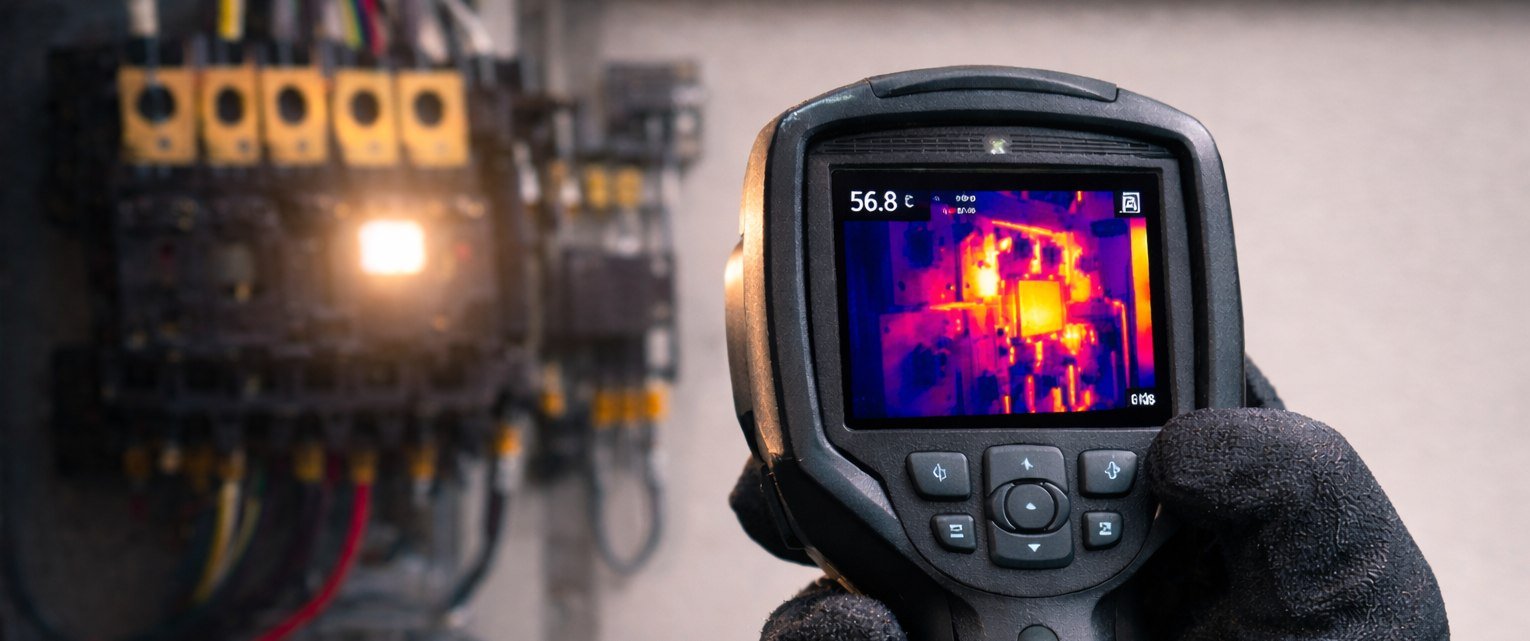
Thermal Imagers
Thermal imagers help you detect heat signatures and temperature anomalies in real time. They support surveillance, inspection, and safety workflows when visible light is limited. Browse our fixed, handheld, and long-range thermal optics to match your mission needs.
What is a Thermal Imager?
A thermal imager is a device that visualizes infrared radiation to show heat patterns on a scene. It helps you detect hotspots and temperature anomalies even in darkness, smoke, fog, or glare. Thermal imagers are widely used for inspection, safety monitoring, and surveillance.
Thermal Imager Categories
Choose a category below to view products, key specifications, and typical applications.
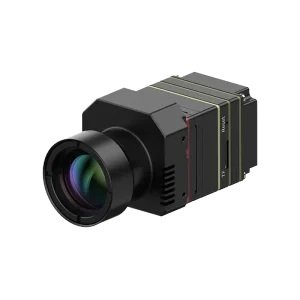
Fixed Thermography Cameras
For continuous temperature monitoring, hotspot detection, and alarm-based safety systems. Ideal for industrial sites and 24/7 deployments.
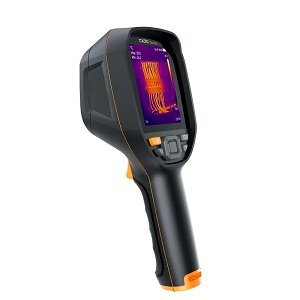
Handheld Thermal Cameras / Scanners
Portable thermal tools for fast inspections, troubleshooting, and maintenance checks across electrical, mechanical, and HVAC applications.
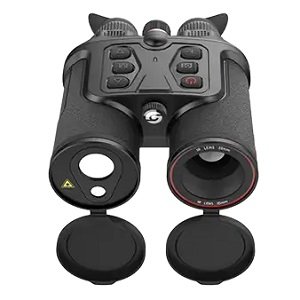
Thermal Binoculars
Long-range observation for perimeter security and patrol. Comfortable viewing for extended watch and wide-area scanning.
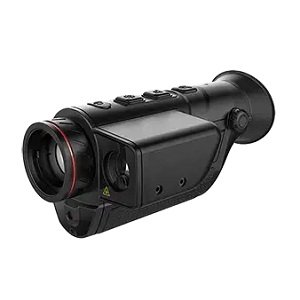
Thermal Monoculars
Compact thermal viewers for mobile teams. A practical choice for patrol, search, and rapid response where portability matters.
Quick Selection Guide
Use this guide to pick the right thermal imager category. Then, compare products on the category page by resolution, sensitivity, lens options, and interface.
| Category | Best for | Typical deployment |
|---|---|---|
| Fixed Thermography Camera | 24/7 temperature monitoring and alarms | Mounted, networked |
| Handheld Thermal Camera / Scanner | On-site inspection and troubleshooting | Mobile technician |
| Thermal Binoculars | Long-range observation and wide-area scanning | Watch posts, patrol |
| Thermal Monoculars | Compact detection for mobile teams | Patrol, rapid response |
Thermal Imagers FAQs
What is the difference between thermal imaging and thermography?
Thermal imaging shows relative heat contrast, while thermography focuses on measuring temperature values. If you need temperature readings and reports, choose a radiometric thermography camera. If you mainly need detection and visualization, standard thermal imaging may be enough.
Do thermal imagers work in complete darkness?
Yes. Thermal imagers do not rely on visible light, so they work in complete darkness. They detect heat differences, which is why they are also effective in low-visibility conditions such as smoke, haze, and light fog.
What is a radiometric thermal camera?
A radiometric thermal camera records temperature data for each pixel in the image. That means you can measure, compare, and trend temperatures over time. Radiometric cameras are commonly used for maintenance, process monitoring, and early warning systems.
How do I choose between a fixed thermography camera and a handheld thermal camera?
Choose a fixed thermography camera for 24/7 monitoring, alarms, and long-term trending. Choose a handheld thermal camera when you need portable inspections and troubleshooting across many assets. Many teams use both: fixed for continuous coverage and handheld for verification.
What thermal resolution should I choose?
Higher thermal resolution usually delivers more detail, which helps with small targets and longer distances. For inspection and general monitoring, start with a resolution that matches your target size and working distance. For long-range observation or small components, consider higher resolution options.
What does NETD mean and why does it matter?
NETD describes how well a thermal imager can detect small temperature differences. A lower NETD generally means better sensitivity and clearer separation between similar temperatures. This is important for early fault detection and low-contrast scenes.
Are thermal binoculars better than thermal monoculars?
Thermal binoculars are often better for long watch shifts because they can be more comfortable and stable. Thermal monoculars are lighter, easier to carry, and faster to deploy for mobile teams. The best choice depends on how long you observe and how you operate.
Related EO/IR Products
Need Help Selecting a Thermal Imager?
Tell us your target distance, environment, and deployment needs. We can recommend the right category and share product specifications.