
China Moneypro
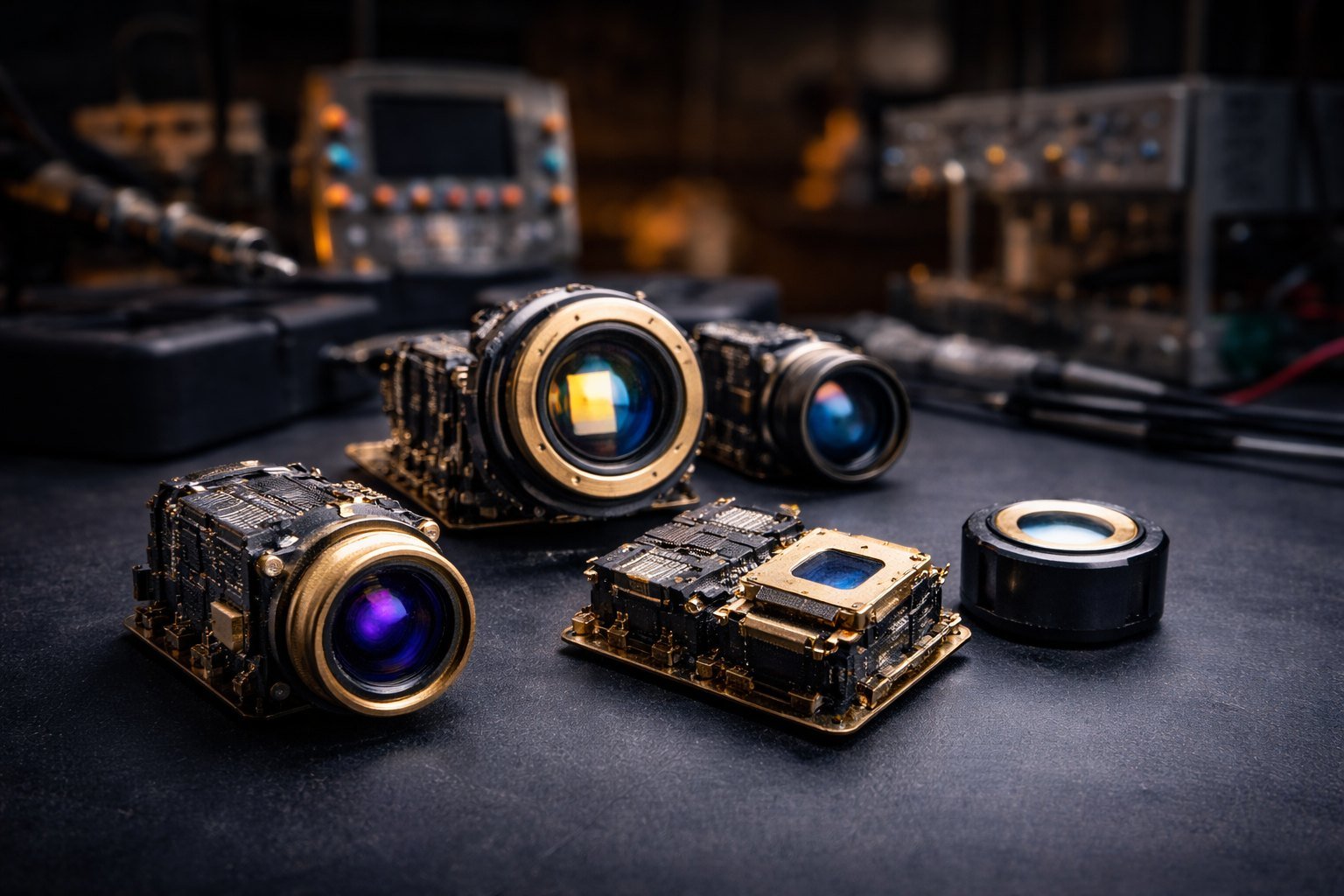
Infrared Detectors
China Moneypro infrared detectors convert infrared radiation into reliable signals for thermal imaging and professional EO/IR system integration.
Infrared detectors are the sensing core of thermal imaging and infrared measurement systems. They convert infrared radiation into electrical signals that can be processed for imaging, detection, and analysis.
China Moneypro supplies infrared detector solutions for professional integration. Explore cooled and uncooled detector categories below to match your sensitivity, response, and system design requirements.
IR Detector Types
Cooled detectors are typically selected for high sensitivity and demanding imaging scenarios. Uncooled detectors are widely used when compact size, lower power, and simplified system design are priorities.
Cooled IR Detectors
For continuous temperature monitoring, hotspot detection, and alarm-based safety systems. Ideal for industrial sites and 24/7 deployments.
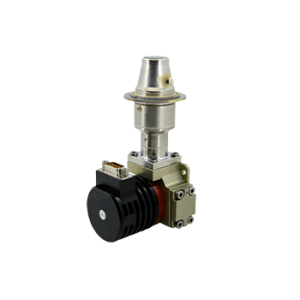
Uncooled IR Detectors
Portable thermal tools for fast inspections, troubleshooting, and maintenance checks across electrical, mechanical, and HVAC applications.
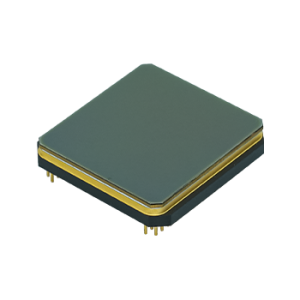
Infrared Detector Working Principle
An infrared detector works by sensing infrared radiation emitted or reflected by an object and converting it into an electrical signal. When infrared energy reaches the detector’s sensitive element, it causes a physical change—such as a temperature variation or a change in electrical properties—that can be measured and processed.
In thermal imaging systems, the detector array captures infrared radiation across a scene and converts it into electrical signals for each pixel. These signals are then amplified, processed, and converted into a thermal image that represents temperature differences. The final image quality depends on the detector type, signal processing, optics, and calibration.
Infrared detectors are commonly classified as cooled or uncooled. Cooled detectors reduce internal noise by operating at low temperatures, which improves sensitivity for demanding applications. Uncooled detectors operate near ambient temperature and are widely used in compact, low-power thermal imaging systems.
Typical Integration Considerations
- Spectral band and application fit
- Sensitivity and noise requirements
- Frame rate and response expectations
- Power, thermal design, and mechanical envelope
- Interface and signal processing workflow
- Long-term stability and system calibration approach
Infrared Detectors FAQ
What is an infrared detector?
An infrared detector is a sensor that responds to infrared radiation and converts it into an electrical signal. It is a key component inside thermal cameras and many EO/IR systems. Detector choice directly affects image quality and system performance.
What is the difference between cooled and uncooled IR detectors?
Cooled detectors operate with a cooling mechanism to reduce noise and improve sensitivity. Uncooled detectors operate near ambient temperature and are often simpler and lower power. The best choice depends on sensitivity targets, size/power limits, and cost constraints.
Which infrared detector is better for long-range imaging?
Long-range imaging often benefits from higher sensitivity and lower noise. In many professional systems, cooled detectors are used when performance demands are high. However, final performance depends on optics, processing, and system design, not the detector alone.
What are infrared detectors used for?
They are used in thermal imaging, surveillance, industrial inspection, and scientific measurement. They are also used in gas detection, process monitoring, and many sensing applications. Use cases vary by detector type and spectral band
How do I choose an infrared detector for my system design?
Start with your application and spectral band, then define sensitivity and frame rate needs. Next, confirm power and thermal design limits, packaging, and interface requirements. Finally, align detector choice with your optics and image processing pipeline
Can I upgrade a thermal camera by changing the detector only?
Not usually. Detector selection affects optics, electronics, thermal design, and calibration. Upgrading performance often requires a system-level design review to ensure compatibility.
Related EO/IR and Imaging Products
Share your target band, resolution requirement, and integration interface. China Moneypro can recommend a suitable detector category and provide technical documentation.