
China Moneypro
Low-Light Imaging Technology:Advances & Applications
Explore the advancements and applications of low-light imaging technology, key for system integrators in diverse industries, including surveillance and security.
Low-light imaging technology enables cameras and sensors to capture clear, usable images in near-dark environments by combining high-sensitivity sensors, infrared imaging, advanced optics, and AI-driven enhancement. As sensor sensitivity, quantum efficiency, and noise-reduction algorithms continue to improve, low-light imaging is becoming a critical capability for surveillance, automotive safety, defense operations, and medical imaging—allowing system integrators to deliver reliable performance 24/7, regardless of lighting conditions.
Key Takeaways
- Low-light imaging technology is crucial for surveillance, security, and defense applications.
- Recent advancements in sensor sensitivity, AI-enhanced imaging, and advanced optics enable superior performance in low-light conditions.
- The technology supports both visible and infrared imaging, enabling 24/7 monitoring in various industries.
- Challenges such as noise reduction, power efficiency, and image clarity continue to be key areas of innovation.
- System integrators benefit from understanding specific use cases and sensor technologies to maximize deployment efficiency.
What is Low-Light Imaging Technology
Low-light imaging technology refers to advanced imaging systems designed to operate effectively in conditions with minimal ambient light. This technology is widely used in industries like security, surveillance, automotive, and defense. The ability to capture clear, usable images in dim or low-light environments has revolutionized fields such as video surveillance and night vision.
How Does Low-Light Imaging Work?
Low-light imaging relies on a variety of technologies to enhance the light-gathering capabilities of cameras and sensors. These systems are designed to amplify available light, often in the visible and infrared spectrums, to produce clear, detailed images even in extremely dark settings. Key technologies involved in low-light imaging include:
- Image Sensors: Modern low-light imaging systems often use highly sensitive image sensors, such as CMOS (Complementary Metal-Oxide-Semiconductor) or CCD (Charge-Coupled Device) sensors, that can capture more light than traditional sensors.
- Infrared Imaging: By utilizing infrared sensors, low-light imaging systems can capture images in total darkness, relying on heat signatures rather than visible light.
- Artificial Intelligence (AI) Enhancement: AI algorithms are used to enhance image quality by reducing noise and improving contrast, ensuring that images remain clear and detailed even in challenging lighting conditions.
Advancements in Low-Light Imaging
In recent years, several advancements have significantly improved the performance of low-light imaging systems:
1. Sensor Sensitivity Improvements
Advancements in sensor technology have led to significant improvements in sensitivity. Newer sensors are capable of capturing more light, allowing cameras to produce clearer images in darker environments. For example, high-sensitivity CMOS sensors are becoming increasingly popular due to their ability to operate in extremely low light conditions.
2. Quantum Efficiency (QE) Enhancement
Quantum efficiency refers to the ability of a sensor to convert incoming light into an electrical signal. Advances in quantum efficiency allow cameras to capture even more light, enhancing the overall performance in low-light conditions. This is especially important for applications such as surveillance, where precise detection is crucial.
3. Advanced Optics
In conjunction with improved sensors, advanced optical technologies, such as larger apertures and more efficient lenses, further boost the performance of low-light imaging systems. These optical enhancements allow cameras to capture more light and deliver higher-quality images in dim lighting.
Applications of Low-Light Imaging
Low-light imaging has a wide range of applications across various industries. Some of the most prominent use cases include:
1. Security and Surveillance
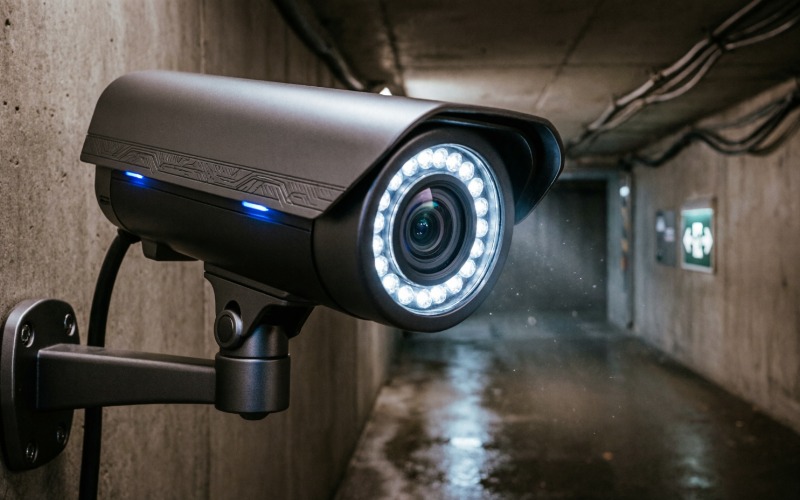
Low-light imaging is particularly important in surveillance systems, where security cameras must function around the clock, even in poorly lit areas. Advances in low-light technology allow security systems to maintain clarity and detail in nighttime conditions, increasing their effectiveness in preventing and solving crimes.
2. Automotive Industry
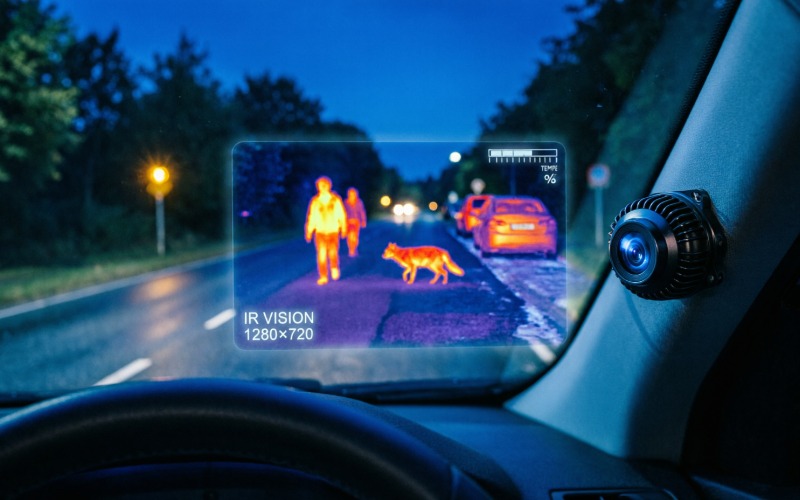
In the automotive industry, low-light imaging technology is used in night vision systems that help drivers navigate safely in low-light conditions. These systems use infrared cameras to detect pedestrians, animals, and obstacles in the dark, enhancing safety for drivers and passengers.
3. Military and Defense
The military and defense sectors have been early adopters of low-light imaging technology. Night vision goggles, infrared cameras, and surveillance systems enable operations in complete darkness, giving soldiers a tactical advantage during nighttime operations. These systems provide clear images in conditions where traditional optical systems would fail.
4. Healthcare and Medical Imaging
Low-light imaging plays a role in medical imaging technologies, where it allows for better visualization of tissues and cells in low-light environments, such as during surgeries or diagnostic procedures. The use of infrared and near-infrared imaging in medical applications has proven beneficial for detecting and diagnosing various conditions.
Challenges and Future Directions
Despite its advancements, low-light imaging technology still faces several challenges. Some of the key issues include:
1. Noise Reduction
Noise is a common issue in low-light imaging. The less light a sensor captures, the more noise is introduced into the image. Significant strides have been made in noise reduction algorithms, but eliminating noise without sacrificing image quality remains an area of active research.
2. Power Efficiency
Low-light imaging systems, particularly those used in surveillance and defense, require a substantial amount of power. Researchers are focused on developing more energy-efficient sensors and components that reduce power consumption while maintaining high performance.
3. Image Clarity and Resolution
Improving image clarity and resolution in low-light conditions continues to be a major area of focus. While AI enhancement has improved image quality, there is still room for development to achieve sharper, more detailed images, especially in extreme low-light settings.
Conclusion
Low-light imaging technology is a rapidly evolving field that plays a crucial role in industries ranging from security to defense. As advancements in sensors, optics, and artificial intelligence continue, the ability to capture high-quality images in low-light conditions will only improve, offering new opportunities for system integrators. By staying informed on the latest innovations and understanding the challenges, system integrators can better deploy and integrate low-light imaging solutions into their projects, enhancing the capabilities of their systems.
FAQ
What is low-light imaging technology?
Low-light imaging technology involves using advanced sensors and optics to capture clear images in environments with little to no natural light. It is essential for applications such as surveillance, military operations, and night driving.
What industries use low-light imaging?
Industries that commonly use low-light imaging include security, automotive, healthcare, military, and defense. These sectors rely on the technology to enhance operational efficiency in low-light or nighttime environments.
What are the challenges of low-light imaging?
The primary challenges of low-light imaging include noise reduction, power efficiency, and improving image clarity and resolution. While advancements have been made, these remain active areas of research.
This is part of our Infrared & Thermal Technology section. For a complete view of all relevant knowledge about EO/IR, please visit our Knowledge Hub center.