
China Moneypro
Infrared Radiation Explained: Applications & Technology
A deep dive into infrared radiation technology, its applications, and implications for system integrators, covering key principles and industry insights.
Key Takeaways
- Infrared radiation (IR) is electromagnetic radiation with wavelengths longer than visible light but shorter than microwaves.
- IR technology is used in various industries, including military, industrial, healthcare, and consumer electronics.
- System integrators play a key role in implementing IR technology in sensor systems, automation, and security solutions.
- The most common IR detection devices are thermal cameras, IR sensors, and night-vision systems.
- Understanding the fundamentals of IR radiation helps system integrators optimize solutions for clients in high-precision applications.
Infrared radiation (IR) is an essential part of the electromagnetic spectrum. With wavelengths longer than visible light but shorter than microwaves, IR radiation is found across a wide range of applications. From thermal imaging and industrial process monitoring to communications and surveillance, IR technology plays a crucial role in modern systems integration. As a system integrator, understanding the principles and applications of infrared radiation can empower you to deliver innovative, high-performance solutions to your clients.
What is Infrared Radiation?
Infrared radiation is electromagnetic radiation with wavelengths between approximately 700 nanometers (nm) and 1 millimeter (mm). This range of wavelengths corresponds to the energy emitted by objects based on their temperature. All objects, regardless of whether they emit visible light, radiate infrared energy. The hotter the object, the more infrared radiation it emits.
Infrared radiation is often categorized into three regions based on its wavelength:
- Near Infrared (NIR) – Wavelengths from 700 nm to 1.5 µm, commonly used in fiber-optic communications, medical devices, and night-vision systems.
- Mid Infrared (MIR) – Wavelengths from 1.5 µm to 5 µm, used in thermal imaging, environmental monitoring, and industrial sensors.
- Far Infrared (FIR) – Wavelengths from 5 µm to 1 mm, primarily used in heat sensing and industrial applications such as furnace monitoring.
Principles of Infrared Radiation
Infrared radiation is emitted by all objects above absolute zero. The amount of radiation emitted increases with temperature, which is why infrared thermography (thermal imaging) is used in various applications, such as detecting heat leaks in buildings, monitoring machinery for overheating, or even diagnosing medical conditions.
The intensity of infrared radiation emitted by an object is governed by Stefan-Boltzmann’s law, which states that the total energy radiated per unit area is proportional to the fourth power of the temperature. This principle enables system integrators to design systems that accurately detect temperature changes and provide actionable insights across multiple industries.
Applications of Infrared Radiation
The versatility of infrared radiation makes it invaluable across a range of industries. Below are some of the key applications where system integrators can leverage IR technology:
1. Industrial Process Monitoring
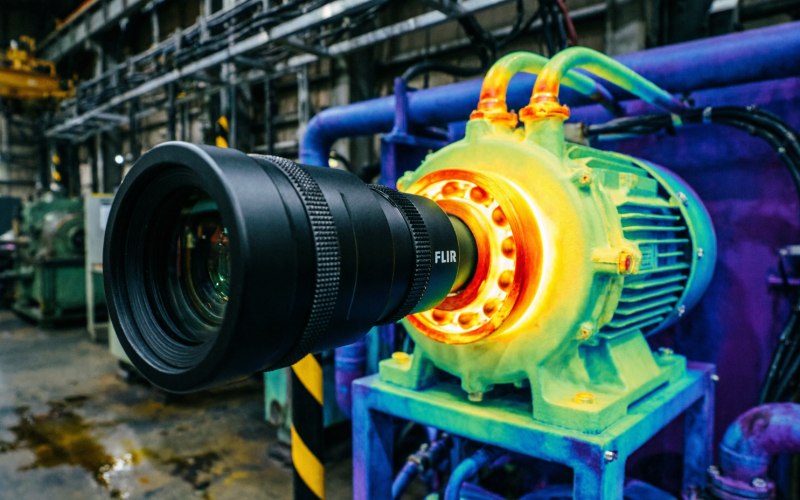
In industries such as manufacturing, chemical production, and energy generation, infrared sensors are used for real-time monitoring of machinery and equipment. These sensors help prevent overheating, detect mechanical wear, and improve maintenance schedules. IR thermography is often used to visualize temperature variations in equipment, which is critical for preventive maintenance and reducing downtime.
2. Security and Surveillance
IR cameras are extensively used in security and surveillance systems for their ability to detect heat signatures even in total darkness. This is particularly useful for perimeter monitoring, search and rescue operations, and intrusion detection systems. Modern IR cameras provide clear images of individuals or vehicles based on their heat signature, regardless of ambient light conditions.
3. Medical Diagnostics
Infrared radiation is used in non-invasive medical diagnostic tools, including thermography, which can detect changes in body temperature associated with inflammation, tumors, and other conditions. System integrators working in the healthcare sector can implement IR-based diagnostic systems that allow for faster, more accurate, and non-invasive screenings.
4. Communications
Infrared communication systems have been used in consumer electronics for decades, particularly in remote control devices. IR signals are ideal for short-range communication because they are immune to radio frequency interference and can be easily modulated for data transmission. While newer technologies like Bluetooth and Wi-Fi have become more prominent, IR is still used in niche applications such as point-to-point communication in industrial automation systems.
Infrared Sensors: Key Technologies for System Integrators
System integrators rely on a variety of infrared sensors to collect data and build sophisticated monitoring systems. The most common types of IR sensors used in systems integration include:
1. Passive Infrared (PIR) Sensors
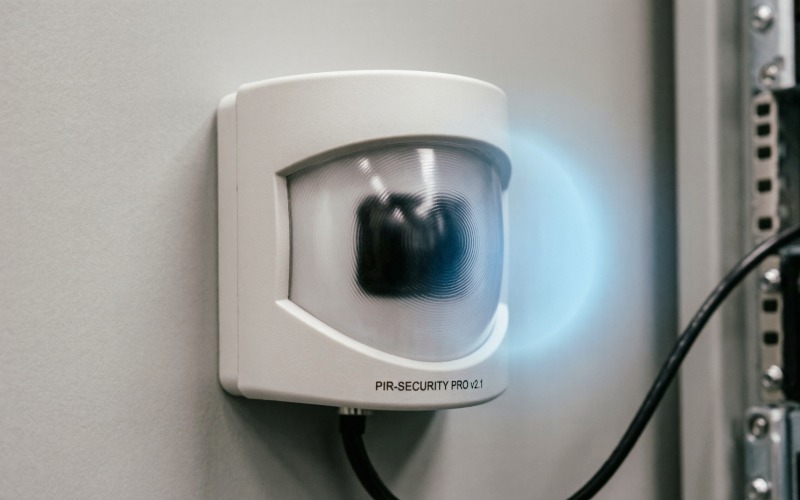
PIR sensors are widely used in motion detection systems. They detect infrared radiation emitted by warm bodies such as humans or animals. PIR sensors are commonly integrated into security systems, automated lighting systems, and occupancy monitoring devices. They are highly energy-efficient, making them ideal for battery-powered systems.
2. Thermal Imaging Cameras
Thermal cameras, or infrared cameras, capture the infrared radiation emitted by objects and convert it into an image. These images are often displayed as thermograms, where temperature variations are represented by different colors. Thermal cameras are crucial in applications such as electrical inspections, fire prevention, and military surveillance.
3. Fiber-Optic Sensors
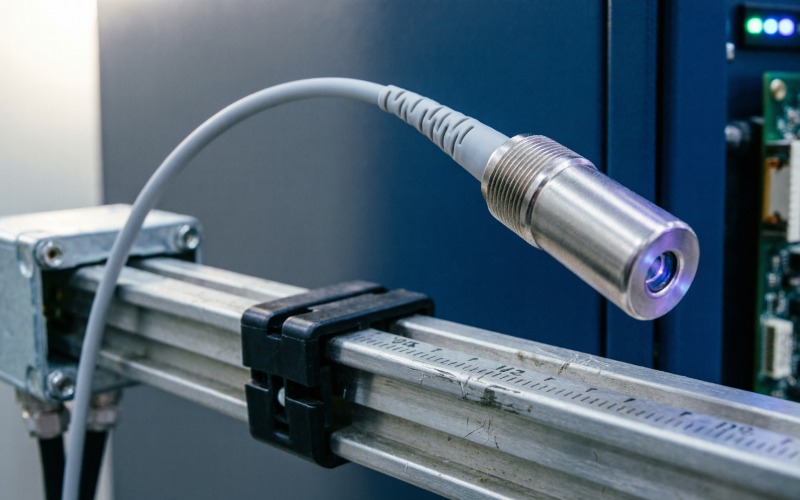
Fiber-optic infrared sensors use optical fibers to transmit infrared signals. They offer excellent sensitivity and can operate in harsh environments. Fiber-optic IR sensors are used in applications that require high precision, such as monitoring temperature changes in chemical reactors, industrial furnaces, and sensitive research environments.
Challenges and Considerations for System Integrators
While infrared technology offers numerous benefits, system integrators must also address specific challenges when implementing IR-based systems:
- Environmental Interference – IR sensors can be affected by environmental factors such as smoke, dust, and humidity. These factors can interfere with the accuracy of thermal readings and require additional filtering or compensation techniques.
- Calibration – IR sensors must be properly calibrated to ensure accuracy. Variations in sensor performance due to temperature, age, or exposure to harsh environments must be accounted for.
- Integration with Other Systems – For system integrators, combining IR sensors with other sensor technologies (e.g., visible light cameras, ultrasonic sensors) can be challenging. It requires a robust data fusion strategy to make the most of the multi-sensor data.
Conclusion
Infrared radiation plays a critical role in a wide range of industrial, commercial, and consumer applications. For system integrators, understanding the underlying principles of IR radiation and the technologies used to detect and harness it is essential for designing advanced, reliable systems. By leveraging the capabilities of infrared technology, system integrators can deliver cutting-edge solutions that meet the needs of their clients across a variety of industries.
FAQ
What is infrared radiation?
Infrared radiation is electromagnetic radiation with wavelengths longer than visible light but shorter than microwaves. It is emitted by all objects based on their temperature.
What are the main applications of infrared technology?
Infrared technology is used in a variety of applications, including industrial process monitoring, security and surveillance, medical diagnostics, and communications.
How do infrared sensors work?
Infrared sensors detect infrared radiation emitted by objects and convert the data into useful information. Examples of IR sensors include thermal cameras, PIR sensors, and fiber-optic sensors.
What are the challenges in using infrared technology?
Challenges include environmental interference, the need for proper calibration, and integrating IR sensors with other technologies in complex systems.
This is part of our Infrared & Thermal Technology section. For a complete view of all relevant knowledge about EO/IR, please visit our Knowledge Hub center.